Find a stylist or photographer
Where Manchester's shoot scene actually lives, and how to brief someone properly before you book.
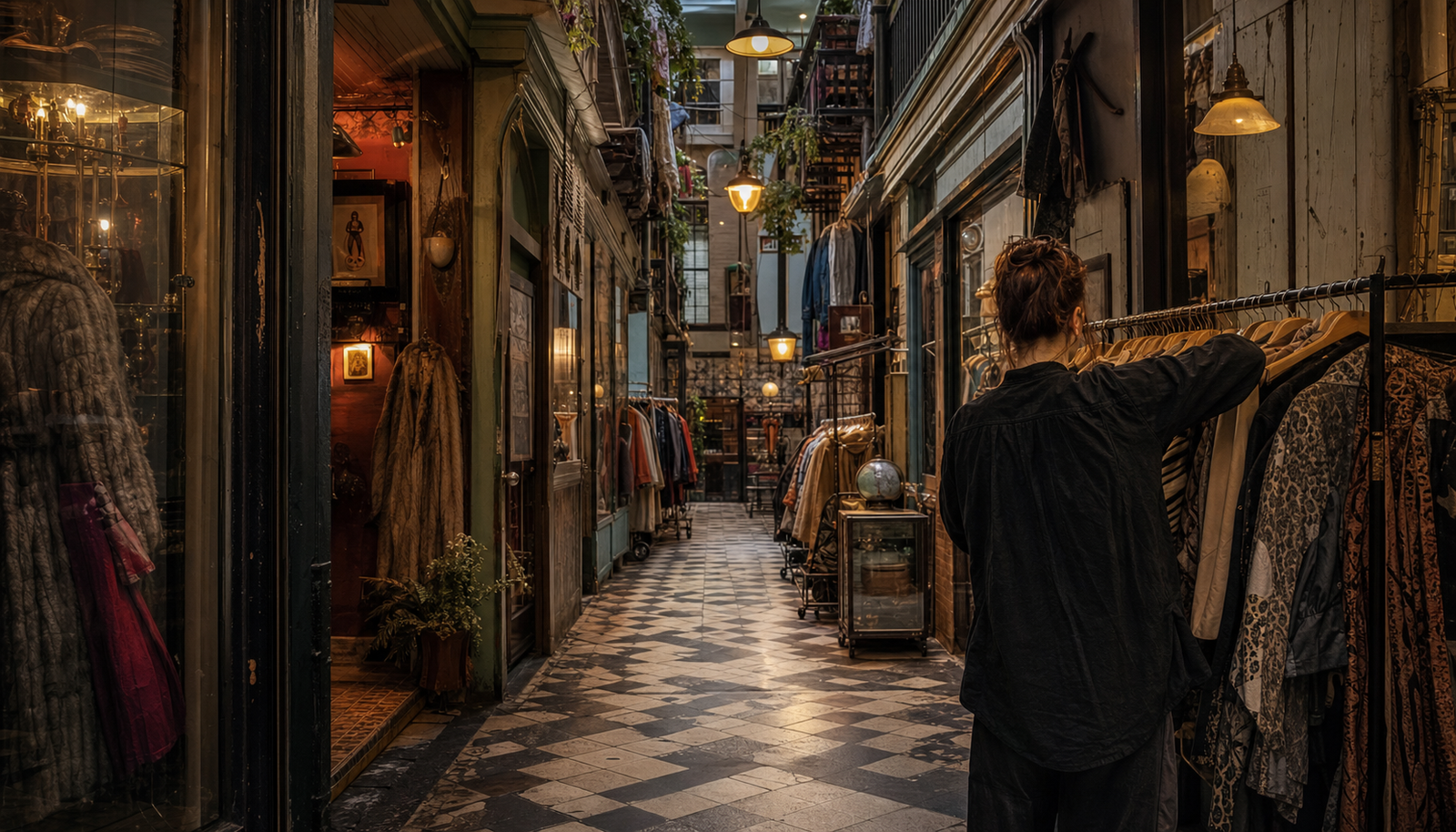
Manchester has a genuinely large working fashion production scene, bigger than the city usually gets credit for outside the industry itself, and it exists because of a specific combination of factors rather than by accident. A handful of the country's biggest fast fashion retailers, Boohoo, PrettyLittleThing and In The Style among them, are headquartered here and shoot an enormous volume of product and campaign content on an ongoing basis, which has built and sustained a genuinely deep local pool of photographers, stylists, models and production crew who might otherwise have had to move to London to find enough work. That volume of commercial demand is the backbone of the scene, even though most of what any individual shopper sees from it is a single product photo rather than the crew behind it.
Alongside that commercial engine, Manchester's universities feed a steady stream of new talent into styling and photography specifically. Fashion and textiles courses in the city produce graduates every year who go on to assist, then shoot independently, then build their own client base, and a lot of the city's freelance stylist and photographer scene at any given time is at some point in that pipeline. MediaCityUK in Salford adds a separate, larger-scale production layer on top, built around broadcast rather than fashion specifically, but its studio space and crew base overlaps with fashion production more than people outside the industry usually realise.
What that adds up to practically is: Manchester is not short of people who can shoot or style a lookbook, a campaign, or a personal portfolio. The harder part, for most people trying to book someone for the first time, is not finding that the scene exists but knowing how to actually approach it, since there's no single directory or agency that represents everyone working freelance in the city. Word of mouth through shops that already commission shoot work, portfolio sites, Instagram, and university graduate showcases are currently the main routes, and each one surfaces a different slice of the scene rather than the whole thing.
Briefing a stylist or photographer well is a separate skill from finding one, and it's worth getting right regardless of who you end up working with, because a bad brief produces a bad result even with a talented crew. Start with references rather than adjectives: a mood board of specific images that show the look and feel you actually want communicates far more precisely than a word like "edgy" or "clean," which mean something different to every person you say them to. Be clear about budget from the start rather than after the first conversation, since day rates and project rates vary hugely across the city depending on experience and scale, and nobody, freelancer or client, benefits from getting three calls into a conversation before pricing comes up.
Usage rights deserve their own line in any brief, and it's the part most first-time clients forget to ask about. Where the images will actually be used, personal social media, a paid ad campaign, print, a portfolio, changes what's fair to ask for and what a photographer or stylist should reasonably charge, because a single social post and an unlimited paid ad license are not the same commission even if the shoot itself looks identical. Agree it upfront in writing rather than assuming, since this is the single most common source of dispute after a shoot has already happened.
Timeline, location and wardrobe logistics round out a proper brief: how long the day actually needs to run, who is sourcing the location if one isn't already provided, and who's responsible for wardrobe, since some stylists work purely with client-provided clothing and others source pieces themselves, at an additional cost that should be clear before the day rather than discovered on it. A test shoot, shorter, lower stakes, sometimes unpaid or low-paid by mutual agreement, is also a genuinely normal way to work with someone new before committing to a full paid commission, and most photographers and stylists building a portfolio are open to the idea if asked directly.
It's worth understanding that "Manchester photographer" covers at least two quite different jobs, because the brief for each looks nothing alike. A large share of the local scene works in fast, high-volume commercial photography: product and campaign shoots for the city's big online fashion retailers, where the goal is a clean, consistent, quickly turned-around image across hundreds of garments a week rather than a single creative statement. That's a genuinely different skill and a genuinely different day rate to editorial or lookbook work, where a smaller brand wants a handful of considered, styled images with a specific mood, shot more slowly and with more creative input from both photographer and stylist. Neither is a step up from the other, they're different jobs, and it's worth being upfront in a brief about which one you actually need, since a photographer who's excellent at fast commercial turnaround isn't automatically the right fit for a slower editorial shoot, and the reverse is just as true.
Reviewing a portfolio properly matters more than most first-time clients expect. A single strong image tells you very little on its own, since one good shot can happen by luck or heavy editing. Look instead for consistency across a full set: does the lighting, colour grading and general handling hold up across a whole shoot rather than just the best-selected frame, and does the work shown actually reflect what that person is doing now rather than a style they've since moved on from. Asking to see a full, unedited shoot rather than only the curated highlights is a completely reasonable request before booking, and most working photographers and stylists will understand exactly why you're asking.
Verified MCR.CITY profiles for photographers, stylists and production crew, searchable by specialty and with portfolios and rates attached, are coming to this page but are not live yet. Until then, the routes above, shops, portfolios, social media and university showcases, are the honest current answer to "how do I find someone in Manchester," and they're worth working through properly rather than waiting.