How Afflecks Palace survives another retail decade
The market adapts and evolves, year after year.
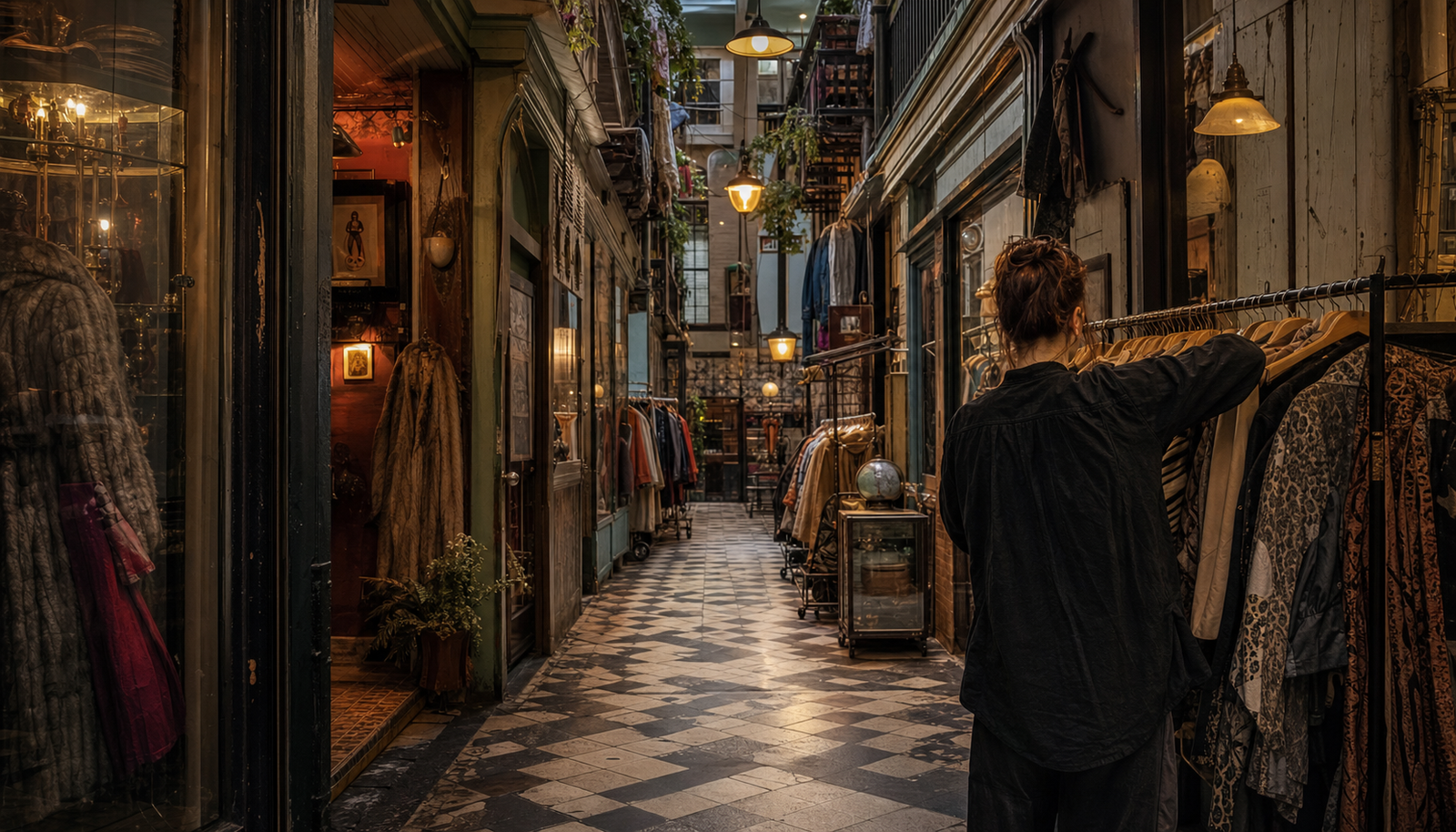
Afflecks Palace has navigated multiple retail cycles by operating outside high-street property economics. Each stall holder pays individual rent to the building owner rather than functioning as a department store. This model insulates the overall market from the performance pressures of major-brand retail chains. Individual traders can exit or stay, adjust pricing independently, and pivot their product mix based on direct customer interaction rather than corporate merchandising decisions.
The building attracts foot traffic as a destination rather than a convenience stop. People visit Afflecks specifically to hunt through independent merchandise, creating a shopping experience fundamentally different from high-street chains. The reputation accumulates across decades of tourists, students and locals treating the market as a necessary stop when in the Northern Quarter.
The stall-based model means the market remains nimble. Traders respond quickly to what customers want because they control their own inventory. This contrasts with department-store buying cycles where decisions get made months in advance for centralized merchandise. Afflecks survives retail downturns because overhead stays low and traders absorb fluctuations directly through their own sales rather than corporate losses hitting a single owner.