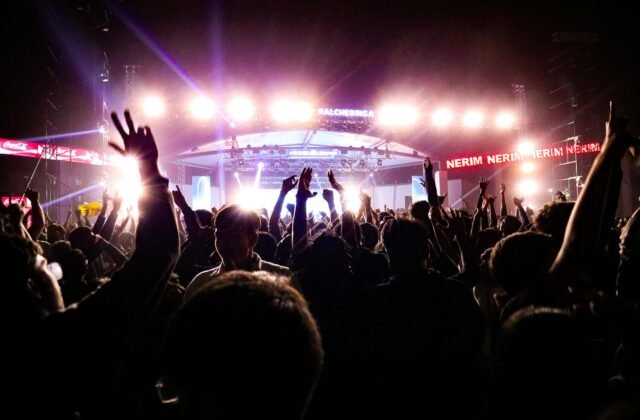
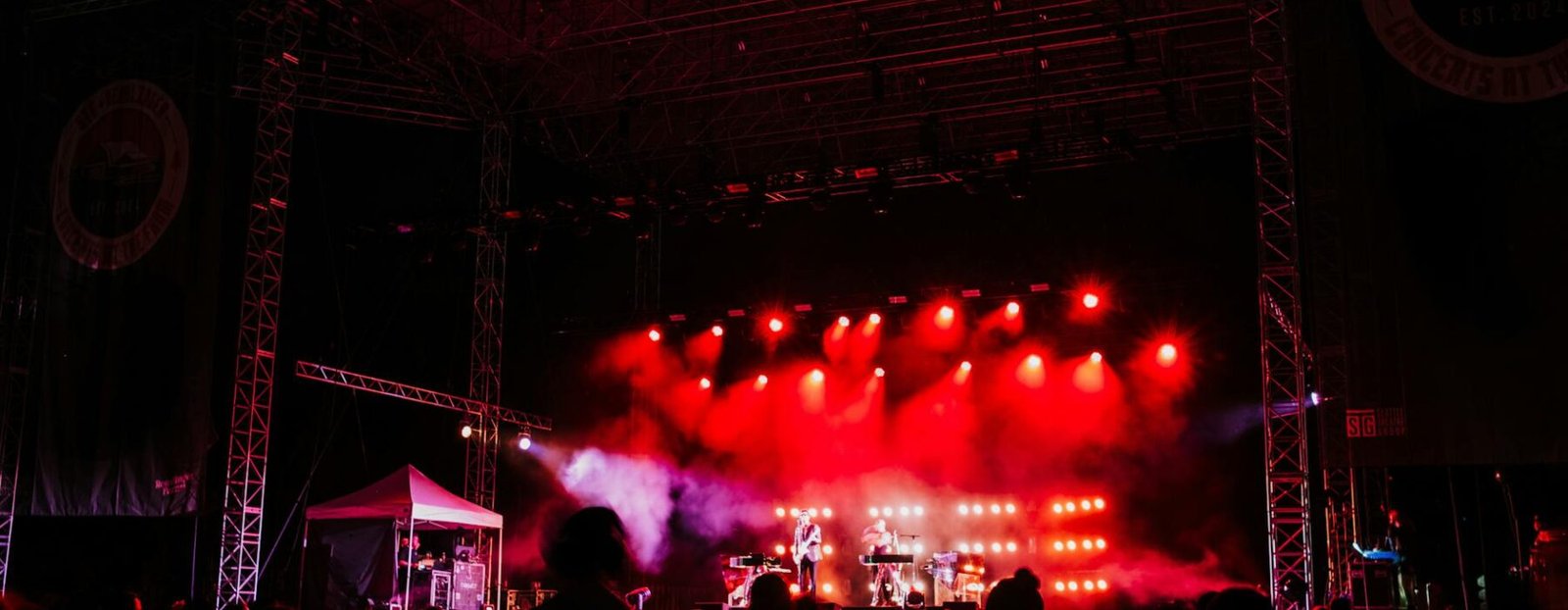

Manchester didn’t become the music capital of the north by accident. The infrastructure is here — from two competing arenas to a network of mid-size venues and basement rooms where the next big thing is playing to fifty people on a Tuesday. The city has been producing and hosting music at every level for decades, and the venue ecosystem reflects that.
This guide covers eighteen venues across every size, from arenas to basements. Whether you’re seeing Oasis at Co-op Live or an unsigned band at The Castle, this is where Manchester makes music happen.
The Arenas
1. Co-op Live
Eastlands, next to the Etihad Stadium. Manchester’s newest and largest arena, opened in 2024 with a capacity of 23,500. The venue was purpose-built for music and it shows — the acoustics are a genuine step up from the older arena model. The sightlines are good from most seats, the concourses are wide, and the food and drink options are miles beyond the usual arena fare.
It had a rocky opening (delayed shows, technical issues) but has settled into being the city’s premier large-format venue. The big tours come here now: Oasis, Beyoncé, Billie Eilish have all played it.
Getting there is straightforward — the 216 bus from Piccadilly or tram to the Etihad Campus stop. Parking is available but the exit traffic is brutal. Drink prices are arena-standard at £7–£8 a pint.
The verdict: Love it or hate it for disrupting the status quo, Co-op Live is a properly good arena. The sound in the bowl is clear and powerful in a way that AO Arena never managed.
2. AO Arena
Victoria station, city centre. Capacity 21,000. The original Manchester arena, open since 1995 and host to everyone from Oasis to Ariana Grande. It’s showing its age compared to Co-op Live — the concourses are tighter, the seats are closer together, and the sound can be muddy in the upper tiers. But the location is unbeatable, right above Victoria station.
The rivalry with Co-op Live has actually improved things here — they’ve invested in upgrades to stay competitive. Some tours still prefer the AO for its central location and atmosphere.
The verdict: The sound and comfort don’t match Co-op Live, but the city centre location means you can walk to a bar afterwards instead of waiting for a tram in Eastlands. Each has its place.
The Theatres
3. O2 Apollo
Stockport Road, Ardwick. Capacity 3,500. A 1930s cinema converted to a music venue, and arguably the best room in Manchester for seeing a band. The balcony is legendary — steep, raked, and so close to the stage that you feel like you’re hovering over the performer. The stalls standing area gets intense for big gigs. The art deco interior is gorgeous.
Every major artist who’s too big for 2,000 and too small (or too credible) for an arena plays the Apollo. The sound is excellent, particularly from the balcony.
The verdict: The balcony at the Apollo is the single best seat in Manchester music. If your act is playing here, choose it over any arena show.
4. Albert Hall
Peter Street. Capacity 1,600. A former Wesleyan chapel with stained glass windows and a balcony that wraps around the room. It works for both live music and club nights. The acoustics are remarkable for a converted religious building — warm and clear without being boomy. The standing area downstairs and seated balcony upstairs give you options.
The verdict: The most beautiful music venue in Manchester. Every gig here feels like an event because of the room. Mid-size bands who play Albert Hall are making a statement.
5. Bridgewater Hall
Lower Mosley Street, city centre. Capacity 2,341. Manchester’s classical music venue, home to the Hallé Orchestra. A purpose-built concert hall with exceptional acoustics — designed to be isolated from the vibrations of the nearby tram and railway lines. Beyond classical, it hosts jazz, world music, and the occasional crossover act.
The verdict: If you’ve never been to a classical concert, Bridgewater Hall is the place to start. The sound engineering is extraordinary. Even if orchestral music isn’t your thing, hearing any music in this room is an experience.
6. The Stoller Hall
Hunts Bank, near Victoria station, inside Chetham’s School of Music. Capacity 482. A newer addition to Manchester’s classical and acoustic music scene. Intimate, beautifully designed, with acoustics built for unamplified performance. The programming includes chamber music, jazz, folk, and contemporary classical.
The verdict: A that not enough Mancunians know about. The small capacity means you’re never far from the performers. Exceptional for acoustic and classical music.
Mid-Size Venues (500–2,000)
7. New Century
Corporation Street, near Victoria station. Capacity around 1,000. A former co-operative society building reimagined as a music venue and food hall. The main hall has high ceilings, a large stage, and a modern sound system. The food hall downstairs means you can eat well before the gig. Programming covers indie, electronic, hip-hop, and everything between.
The verdict: A welcome addition to Manchester’s mid-size venue options. The room sounds great and the food hall concept means you’re not eating a sad hotdog from a van outside.
8. O2 Ritz
Whitworth Street West. Capacity 1,500. The sprung dancefloor that bounces under your feet. Originally a 1920s ballroom, the Ritz does double duty as a live venue and club. The room is wide and the balcony at the back offers a different perspective. When a band gets the crowd jumping and the floor starts moving, there’s nothing like it anywhere.
The verdict: The bouncing floor is not a gimmick — it genuinely changes the experience of seeing live music. Raw and slightly rough around the edges, which is exactly right.
9. Club Academy
Oxford Road, Manchester University campus. Capacity 1,000. Part of the Academy complex alongside the larger venues. A straightforward black-box room that hosts touring bands, comedy, and club nights. The sound is decent, the sightlines are fine, and the student location means good transport links.
The verdict: Not the most characterful room, but reliable and well-run. Lots of artists play Club Academy on the way up — catch them here before they graduate to the Apollo.
10. RNCM Concert Hall
Oxford Road, Royal Northern College of Music. Capacity 600. A proper concert hall inside one of the UK’s top music conservatoires. Hosts student performances, visiting artists, and the college’s own ensembles. The acoustics are designed for classical and jazz performance. Tickets are often very affordable, sometimes free for student recitals.
The verdict: Some of the best value live music in Manchester. Watching RNCM students perform is seeing future professional musicians at close range, often for a few quid or nothing.
11. Hallé St Peter’s
Blossom Street, Ancoats. A deconsecrated church converted into a rehearsal and performance space for the Hallé Orchestra. Capacity around 500. The intimate setting means you’re watching musicians in a room where you can see the sweat on their brows. Regular open rehearsals offer a unique behind-the-scenes experience.
The verdict: Watching a full orchestra rehearse in an Ancoats church is one of Manchester’s most underrated experiences. Check their public events schedule.
Intimate Venues (Under 500)
12. Band on the Wall
Swan Street, Northern Quarter. Capacity around 300. A Manchester institution since the late 1970s, recently refurbished and expanded with a new room. The programming is exceptional — jazz, world music, Afrobeat, electronic, hip-hop, folk. Mr Scruff’s residency here is the stuff of legend: six-hour sets blending jazz, soul, funk, and electronic music with a cup of tea in hand.
The refurb added a smaller second room (The Buen) for more intimate shows. The main room sound system is outstanding.
The verdict: The most musically adventurous venue in Manchester. If you only go to one gig venue in the city, make it Band on the Wall. The Scruff nights are unmissable.
13. Gorilla
Whitworth Street West, under the arches near Oxford Road station. Capacity around 500. An arch-shaped room that gives natural acoustic warmth. Split between a bar area and the gig room. Hosts touring indie, rock, electronic, and hip-hop acts. The shape of the room means sound is good from pretty much anywhere you stand.
The verdict: The railway arch shape is an underrated acoustic asset. Gorilla is a dependable mid-small venue with consistently good sound. Not flashy, just solid.
14. YES
Charles Street, Northern Quarter. The first floor gig room holds about 350 and has become one of the best small venue spaces in the city. The stage is at eye level, the sound is crisp, and the programming is smartly well-chosen. Below is the basement club; above is the rooftop. The whole building is a music ecosystem.
The verdict: YES has filled the gap for a properly good small gig room in the NQ. The multi-floor format means you can catch a band, grab pizza, then dance in the basement. Perfect building.
15. Deaf Institute
Grosvenor Street, near Oxford Road. Capacity around 300. A quirky venue spread across two floors with a gig room upstairs. The decor is eccentric — vintage furniture, mismatched art, a Wurlitzer organ on the stage. The gig room is sweaty and intimate, and the bar downstairs is a great pre-show hangout.
The verdict: One of Manchester’s most characterful venues. The room has personality that bigger spaces can’t replicate. Many artists have fond memories of early Deaf Institute shows.
16. Night & Day Café
Oldham Street, Northern Quarter. Capacity around 150. The back room of Night & Day has been a launchpad for Manchester bands for over thirty years. Elbow played here. The 1975 played here. Arctic Monkeys played here. The room is tiny, the PA is loud, and the ceiling is low enough to touch. It’s grassroots music at its purest.
The verdict: If you want to see the next big Manchester band before anyone else, check the Night & Day listings. The room is so small that every gig feels like a secret.
17. Matt & Phreds
Tib Street, Northern Quarter. Capacity around 100. Manchester’s dedicated jazz venue. A small, intimate room with live jazz most nights of the week — from traditional to contemporary, bebop to fusion. The atmosphere is relaxed and the musicians are often exceptional. They also host jam sessions where anyone can sit in.
The verdict: The best jazz club in Manchester and one of the best outside London. The jam nights are a highlight — you never know who’s going to turn up and play.
18. Soup Kitchen
Stevenson Square, Northern Quarter. The basement gig and club space holds about 250. It hosts both live bands and DJ nights. The daytime café and street food upstairs makes it a full-day proposition. The basement has a raw, underground feel with low ceilings and a powerful sound system.
The verdict: Soup Kitchen’s basement is one of the NQ’s secret weapons. The transition from a quiet bowl of ramen upstairs to a deafening gig downstairs is a uniquely Manchester experience.
Choosing Your Venue
The size of the venue changes the experience more than anything else. An arena gig is a spectacle — production, screens, pyro. A theatre show at the Apollo or Albert Hall puts the focus on the music in a room with character. A basement gig at Night & Day or Soup Kitchen is raw and immediate. Manchester is one of the few cities where you can get all three on the same night.
- For the best sound: Co-op Live (arena), Apollo balcony (theatre), Band on the Wall (intimate)
- For atmosphere: O2 Ritz (mid), Albert Hall (theatre), White Hotel (club)
- For discovering new music: Night & Day, The Castle Hotel, YES, Soup Kitchen
- For classical and jazz: Bridgewater Hall, RNCM, The Stoller Hall, Matt & Phreds, Band on the Wall