
Ancoats, How Manchester’s Most Deprived Area Became Its Most Desirable
Ancoats is often described as a miracle of urban regeneration, but that is too tidy for a neighbourhood with this much history in its brickwork. The area has been industrial powerhouse, overcrowded district, post-war problem zone, forgotten edge of town, developer opportunity and, now, one of Manchester’s most desirable addresses. The story is real, but it is not simple. Ancoats did not become fashionable because someone added good coffee to an empty map. It became fashionable because the city rediscovered a place that had always mattered.
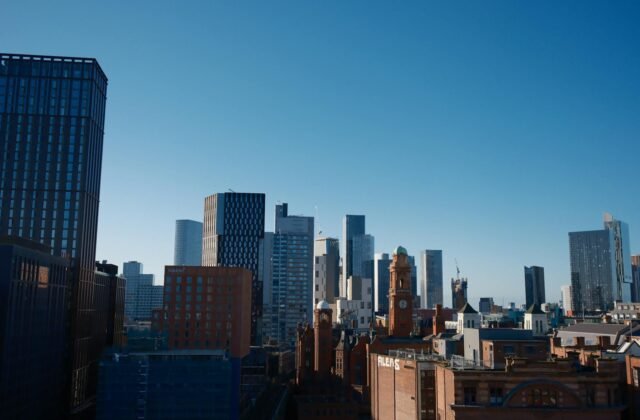
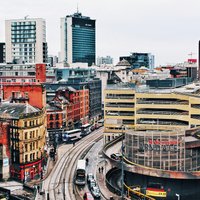
Stand near Cutting Room Square and you can see the appeal immediately. The old mills give the streets weight. The pavements are busy but not usually as frantic as Market Street. Restaurants, bakeries and bars sit at the base of handsome red-brick buildings. The canals and back streets add texture. New apartments bring density. The Northern Quarter is close enough to reach in minutes, while New Islington, Piccadilly and the Etihad side of the city are all within easy walking distance.
That convenience is a modern selling point, but Ancoats’ original value was industrial. In the late eighteenth and nineteenth centuries it became one of the world’s first industrial suburbs, shaped by steam-powered cotton mills, canals, warehouses and workers’ housing. Murray’s Mills, one of the great surviving mill complexes, remains the kind of building that tells you what Manchester was before anyone needed a branding agency to explain it. The scale is practical, not decorative. These were places built for production, movement and labour.
The same industrial growth that made Ancoats important also made it hard to live in. Workers arrived from across Britain, Ireland and beyond, and the neighbourhood became dense, poor and overcrowded. Little Italy, the community that grew around parts of Ancoats, left a cultural memory still referenced today, especially around the old ice-cream and cafe families. The area’s history includes invention and enterprise, but also poverty, dangerous housing and long periods when Manchester took more from Ancoats than it gave back.
By the late twentieth century, many of the mills had lost their original purpose. Industry declined, buildings emptied, streets became quieter and the area sat in the shadow of the city centre rather than inside its confidence. For years, Ancoats felt like a place people passed through or avoided, depending on the route and the hour. That period matters because it explains why the transformation feels so dramatic to anyone who remembers the area before the restaurant lists and property features.
The revival did not happen all at once. Conservation, public investment, private development and the wider expansion of Manchester city living all played a part. Old mills were converted. New blocks filled gaps. The public realm around Cutting Room Square improved. The arrival and success of food and drink operators made the neighbourhood visible to people who might never have considered walking beyond the Northern Quarter. Ancoats went from overlooked to aspirational in what felt, to many Mancunians, like a very short time.
Food became the public face of the change. The area built a reputation for destination dining without losing the compact feel that makes a good neighbourhood evening work. Rudy’s helped turn Neapolitan pizza into an Ancoats calling card. Erst brought a sharper small-plates and wine-bar energy. Mana showed that fine dining could sit in a former industrial quarter without feeling absurd. Bakeries, casual kitchens and coffee spots added daytime rhythm. The result is a place where a quiet Tuesday lunch and a booked-out Saturday night can happen on the same few streets.
Housing is the more complicated part. Ancoats is desirable because people want to live there, not just visit. Its apartments promise walkable city living with character, canals, restaurants and quick access to work, gigs and transport. That is powerful in a city where more people want central or near-central homes. But desirability raises prices, and prices decide who gets to stay. The story of Ancoats cannot be told honestly without asking who benefits from the new version, who has been priced out, and whether the area’s working-class history is being honoured or simply used as atmosphere.
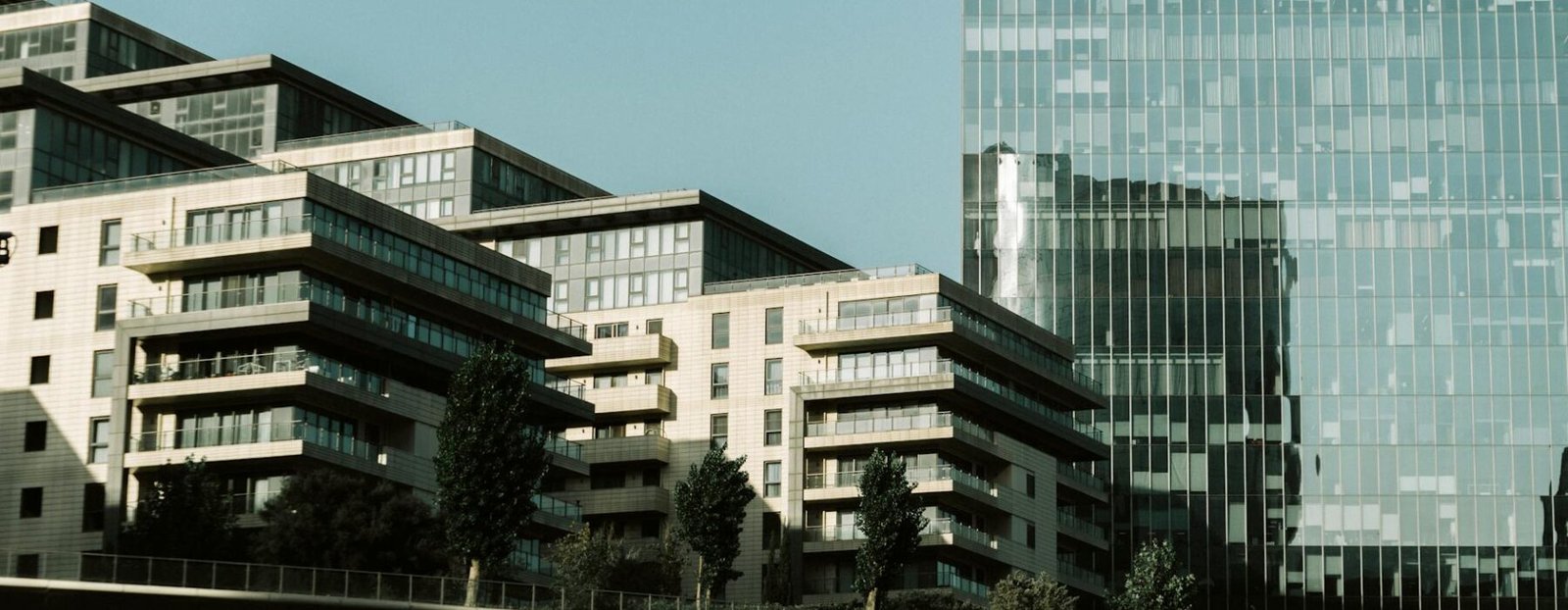
The architecture carries that tension. The best conversions keep the scale, windows and material honesty of the mills. They let old buildings do the talking. The weaker additions can feel like generic city apartments wearing an Ancoats postcode. The neighbourhood works best when new development understands that Ancoats’ value is not just location. It is texture, memory and the relationship between heavy old buildings and active street life.
Cutting Room Square is the symbolic centre of modern Ancoats. It is where people meet, eat, wait for tables, sit outside when the weather allows, and watch the neighbourhood perform itself. On a warm evening it can feel like a small European square dropped into Manchester, with brick mills standing in for palazzos and rain never fully off the menu. On a cold weekday morning, it is quieter and more local: dog walkers, coffee runs, contractors, residents heading towards town.
New Islington has become part of the same conversation, even though it has its own identity. The marina, tram stop, canalside homes and route towards Cotton Field Park have extended the idea of east Manchester city living. Together, Ancoats and New Islington create a corridor where post-industrial Manchester, waterside development and new residential density meet. It is one of the clearest examples of how much the city centre’s mental map has shifted.
For a first visit, start at Great Ancoats Street, walk into Cutting Room Square, look up at the mill buildings before choosing where to eat, then cut towards Murray’s Mills and the canal edges. From there, continue to New Islington Marina or loop back towards the Northern Quarter. The area is compact enough to explore without a strict route, and that is part of the pleasure.
For anyone thinking of living there, the questions are practical. How noisy is the street at night? How much natural light does the flat get? Is the building well managed? How does the area feel on a wet Monday, not just a sunny Saturday? What is the service charge? How easy is the walk to work, tram, gym or supermarket? Ancoats sells a lifestyle, but everyday life is still made of bins, deliveries, lifts, neighbours and the cost of a weekly shop.
Ancoats is desirable now because it gives Manchester something many cities struggle to create: density with identity. It has old buildings, new residents, serious restaurants, canals, walkability and a story people can feel in the street. The risk is that success sands down the very qualities that made it attractive. The opportunity is that Ancoats becomes not a museum of industrial Manchester or a showroom for new money, but a mixed, useful, generous neighbourhood with room for memory and change.
That is the version worth wanting. Not the polished myth of a deprived area saved by brunch, but the harder and more interesting truth: Ancoats was always part of Manchester’s engine. In 2026, the city is still working out how to live inside the machine it inherited.
Corrections
Spotted something wrong? Send a correction.