
The Northern Quarter, Manchester’s Creative Quarter in 2026
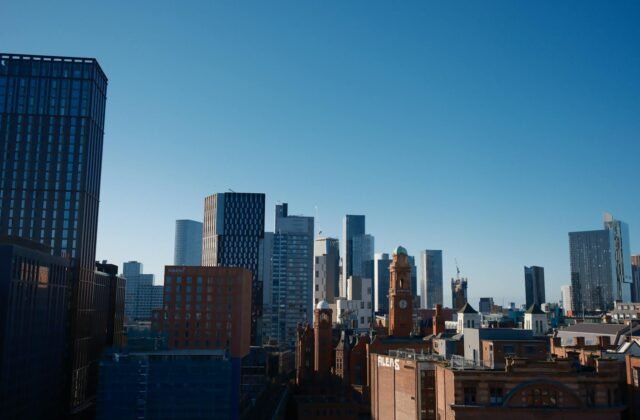
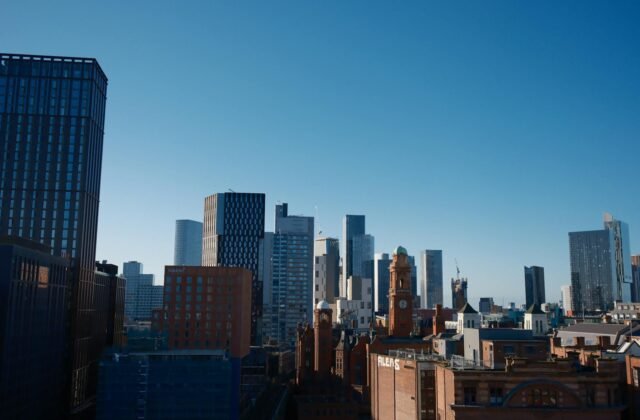
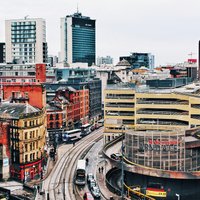
The Northern Quarter is still the part of Manchester where the city lets its edges show. Walk in from Piccadilly Gardens, cross into Oldham Street, and the tone changes within a minute. The glassier city centre gives way to narrow streets, painted shutters, record shops, old textile warehouses, coffee queues, basement bars, tattoo studios and people carrying tote bags that look as if they have seen three house moves and a small gig at Gullivers.
Calling it Manchester’s creative quarter can sound like estate-agent shorthand, but the name has survived because there is still a real ecosystem here. It is not just murals for tourists or brunch for weekend visitors. The neighbourhood continues to hold the small businesses, night spaces, studios and informal meeting points that make Manchester feel self-made rather than polished. The tension in 2026 is that everyone wants a piece of that feeling, while the people who made it valuable are often the ones with the least protection from rising rent and development pressure.
The easiest way to understand the Northern Quarter is to ignore the neat boundary lines and walk it. Oldham Street is the spine, running from Piccadilly Gardens towards Great Ancoats Street. Tib Street cuts through with bars, cafes, plant shops and small storefronts. Thomas Street carries a heavier food and drink rhythm, especially from late afternoon. Stevenson Square acts like a weather vane for the neighbourhood, switching from morning coffee to lunch crowds to evening pavement drinking depending on the hour and the sky.
Afflecks remains one of the quarter’s anchors. It is not just a building with alternative shops inside. It is a multi-floor memory bank for Manchester youth culture, full of vintage rails, piercing studios, posters, handmade jewellery, records, band shirts, trainers, comic corners and the kind of tiny independent retail that rarely survives in prime city-centre property. Even if you are not buying anything, it is worth climbing the stairs just to see how much subculture can still fit into one building.
The street art is part of the draw, but it works best when treated as something that changes rather than a fixed attraction. Stevenson Square, Port Street, Hilton Street, Tariff Street and the lanes around them have hosted some of the city’s most photographed walls. The best pieces often sit beside bins, delivery doors and old brickwork, which is part of why they land. They are not gallery pieces pretending the street is clean. They live in the normal clutter of the city.
Food is one reason the Northern Quarter keeps pulling people across town. There is no single house style. You can move from ramen and tacos to pizza, vegan plates, bakeries, fried chicken, small plates and late-night slices without leaving a tight grid of streets. The useful trick is to match the street to the mood. Thomas Street and Edge Street work well for an easy group plan. Oldham Street gives you quick stops and casual counters. The blocks nearer Ancoats lean into coffee, bakeries and evening dining.
Independent shopping is still a major part of the neighbourhood’s value. Vinyl lovers know the pull of Piccadilly Records on Oldham Street, while fashion browsers drift between vintage stores, streetwear rails and small boutiques. The Northern Quarter is also good for the half-errand, half-wander kind of shopping Manchester does well: cards, gifts, books, art prints, coffee beans, a jacket you were not looking for, a plant you do not really have room for.
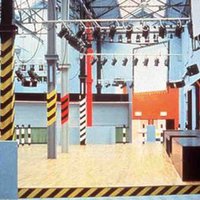
Music keeps the area honest. Night and Day Cafe, Gullivers, The Castle Hotel and Band on the Wall each give the quarter a different kind of stage. Some shows are tiny first chances for new bands. Others are touring artists returning to rooms that still feel close to the floor. Band on the Wall, just over on Swan Street, adds history as well as sound. It reminds you that Manchester’s live music culture is not only about huge comeback shows and arena nostalgia.
The Northern Quarter also works because it has useful daytime life. Remote workers settle into cafes with laptops. Students cut through from Piccadilly. Creatives meet over coffee before drifting back to studios or co-working spaces. Shoppers arrive before lunch when the streets still feel loose. On weekdays, you see the quarter without the Friday-night costume on, and that is often when it makes most sense.
Still, it would be lazy to pretend the place has not changed. The old complaint that the Northern Quarter is becoming too expensive is not new, but it is sharper now. More apartments, more short-stay visitors, more national attention and more destination eating have all shifted the balance. Some independent operators thrive on the extra footfall. Others find themselves squeezed by rent, staffing costs and the basic difficulty of running something small in a city centre that keeps becoming more expensive.
That is why the best way to use the Northern Quarter in 2026 is to treat it as a living neighbourhood, not a backdrop. Buy from the shop after browsing for half an hour. Pay for the gig rather than waiting for free content online. Book the restaurant if you know you are going. Tip when service has been good. Do not treat every mural or doorway as a personal photo set. The area can absorb a lot of attention, but it cannot run on attention alone.
For visitors, the strongest route starts at Piccadilly Station or Piccadilly Gardens, heads up Oldham Street, loops through Afflecks, cuts across Stevenson Square, then wanders Thomas Street, Edge Street and Tib Street before finishing near Swan Street or Great Ancoats Street. That route gives you the shops, the painted walls, the food, the bars and the older warehouse fabric without turning the visit into a checklist.
For locals, the pleasure is less obvious and more durable. It is knowing which side street is calmer after work, which venue has a midweek bill worth taking a chance on, which cafe still has a seat when everywhere else is packed, which shop is best for an emergency present, and which doorway gives you a dry minute when Manchester rain arrives sideways.
The Northern Quarter’s future will not be decided by whether it remains cool. Cool is too thin a word for what the neighbourhood has carried. Its future depends on whether Manchester can keep space in the city centre for independent risk, messy taste, small venues and shops that do not look as if they were designed by a property brochure. In 2026, enough of that spirit remains to make the Northern Quarter essential. The task now is making sure it remains possible.
Corrections
Spotted something wrong? Send a correction.