New Order
Joy Division's surviving members plugged in a synthesiser and accidentally invented the sound of the next two decades. Then they opened a nightclub and nearly went bankrupt.
New Order is what happened when Joy Division didn’t end. Bernard Sumner, Peter Hook, and Stephen Morris carried on after Ian Curtis died, added Gillian Gilbert on keyboards, and slowly turned into a completely different band. The transition wasn’t clean – Movement in 1981 still sounds like grief – but by 1983 they’d released Blue Monday, still the best-selling 12-inch single of all time. Factory Records famously lost money on every copy because Peter Saville’s die-cut sleeve cost more to produce than the retail price.
Power Corruption and Lies, Low-Life, Brotherhood, Technique – each one pushed further into electronic territory without ditching the guitars entirely. Technique was recorded in Ibiza and sounds like it. That combination of dance music and rock wasn’t really a thing before New Order made it one.
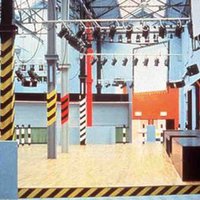
The Hacienda is the other half of the story. New Order co-founded it with Tony Wilson and Factory Records in 1982. It bled money for years, then became the centre of acid house in the late 80s, then bled money again and closed in 1997. The building on Whitworth Street West is luxury flats now. There’s a plaque. The name lives on as shorthand for an era.
Hook split from the band acrimoniously and now tours playing Joy Division and early New Order material with his own outfit. Sumner and Morris continue as New Order. The legal fights over the name have been ugly. But what they built – that bridge between post-punk and dance music – shaped Manchester’s identity as a city where guitars and decks coexist. Nobody did it first like they did.
You run this place and you want the listing to be right. Fill this in and we will check it before anything changes on the page.
Optional analytics and advertising cookies, only with your consent. Cookie Policy (opens in a new tab)