
Make the event easy for the right person to understand and book. Start with a clear audience and a reliable booking destination, then choose a small number of relevant channels. More posts are not automatically a better campaign.
Build a local invitation
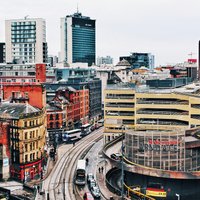
Build a Manchester promotion plan around the event’s actual audience, not a list of neighbourhood names. A workshop organiser could ask the host venue to share the event, give existing subscribers a clear booking link, and approach relevant local creative groups where organiser posts are welcome. These are possible channels to check, not promised distribution partners.
Use location to answer the reader’s next question. Someone meeting friends in Ancoats needs a precise venue and time; someone travelling to Fallowfield needs that destination stated early. Keep the same artwork, event name and booking URL across the venue’s post, your own account and the local listing. If you change the venue or the start time, correct those public versions before publishing another reminder.
Give every channel a useful job
Your booking page should hold the definitive date, venue, ticket conditions and organiser contact. A venue post can introduce its own programme. A city listing can explain the event to someone browsing locally. An organiser’s social post can answer a question or show a genuine part of the activity. Keep those versions consistent rather than making a different claim on each channel.
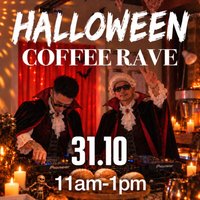
Prepare a small campaign pack: one accurate paragraph, one shorter announcement, approved artwork and the direct booking link. Include the event name in the text rather than putting every important detail inside a picture. If something changes, update the source page and each active listing before issuing another reminder.
Plan reminders around useful information
- Announce when the venue, date and booking destination are confirmed.
- Follow up with a real programme detail, an introduction or a practical question answered.
- Before the event, restate the confirmed arrival information and any genuine booking deadline.
- Afterward, record what worked before planning another event.
These are planning steps, not a fixed formula for every event. Do not invent a deadline, scarce tickets, testimonials or attendance figures to make a reminder sound stronger.
Measure bookings rather than vague attention
Keep a simple table of channels, time spent, enquiries and bookings where your booking service can establish the source. Add campaign parameters only if the destination supports them and they preserve the correct session. A link click is not a sale, and one booking should not be counted once for each platform a guest visited.
If you choose a paid local listing, include it in the promotion budget. The published Direct listing price is £10 for the organiser. The optional Featured listing is £39. This is separate from what a guest pays to attend: a free-entry event still has an organiser listing fee. Featured placement is not a promise of views, bookings or a Google position.
Current availability: MCR has an existing paid event-submission route. Check the current offer and availability on the submission page before paying.
Useful next steps
Corrections
Spotted something wrong? Send a correction.