Castlefield holds the site of the original Roman fort, Mamucium, from which Manchester's name derives, and there's a partial reconstruction of the fort gateway still standing today, making it one of the few places in the city centre where that Roman history is visible rather than purely documented. The area later became an industrial canal basin, sitting at the junction of the Bridgewater Canal, the Rochdale Canal and the Manchester Ship Canal system, and the ironwork viaducts and warehouses from that era still define the area's look.
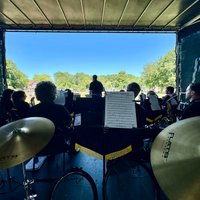
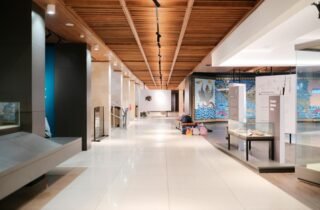
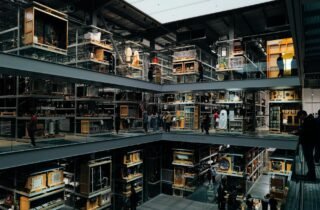
Today Castlefield functions as a mixed leisure district: canal-side bars and restaurants under the railway arches, an urban park (Castlefield Bowl) used for open-air concerts and events through the summer, and the Museum of Science and Industry sitting at the edge of the district in former railway buildings, including the world's oldest surviving railway passenger station building.
The canal basin itself is genuinely pleasant for a walk regardless of whether visitors engage with the bars or museum, and it connects directly to Deansgate-Castlefield tram stop, making it an easy add-on to a Deansgate visit rather than requiring a separate trip.
Content here should be specific about what's actually Roman versus reconstructed versus purely industrial-era, since it's an area where visitors often conflate the different historical layers.
Summer event listings for Castlefield Bowl are a genuinely useful seasonal content angle given how much footfall those events draw.
Related Manchester guides
Corrections
Spotted something wrong? Send a correction.